
Land Reclamation: Restoring the Land for Future Generations
When most people think about mining, they picture the work that happens while minerals are being extracted. What they don't often see is what comes next.
Land reclamation is the process of restoring mined land to a stable, productive condition after mining operations are complete. Through careful planning, engineering, and environmental stewardship, reclaimed mine sites can become thriving ecosystems that support wildlife, improve watermanagement, and protect natural resources for generations to come.
At KaMin, reclamation is not simply the final step in the mining process. It is a commitment that begins long before mining starts, with every operation planned to ensure the land can be responsibly restored once extraction is complete.

Planning for the Future
At KaMin, reclamation planning is incorporated into every stage of the mining process, allowing the land to be restored as operations progress.
One way KaMin accomplishes this is through concurrent mining. Rather than waiting until mining is complete, overburden removed from new mining areas is used to reclaim previously mined sections. This approach allows reclamation to occur alongside active mining, reducing the amount of disturbed land while preparing the site for its next purpose.
Fowler Mine: Reclamation in Action
Located approximately 11 miles west of Sandersville, Georgia, KaMin’s Fowler Mine demonstrates what long-term planning and responsible mining can achieve.
Mining operations at Fowler Mine began in 2005 with reclamation efforts starting in 2018. By 2025, the final 63-acre mining area had been successfully restored through years of planning, engineering, and collaboration.
The reclamation project incorporated numerous features that meet or exceed the requirements of the Georgia Surface Mine Act and the Georgia Department of Natural Resources' Best Management Practices for Mining to stabilize the landscape and improve water management. These include approximately 300 feet of diversion terraces, 300 feet of permanent down-drainpiping, four 24-inch poly down-drain pipe runs, silt fencing, water bars, and a19-acre recreational pond designed to provide long-term environmental benefits.
Creating Habitat That Lasts
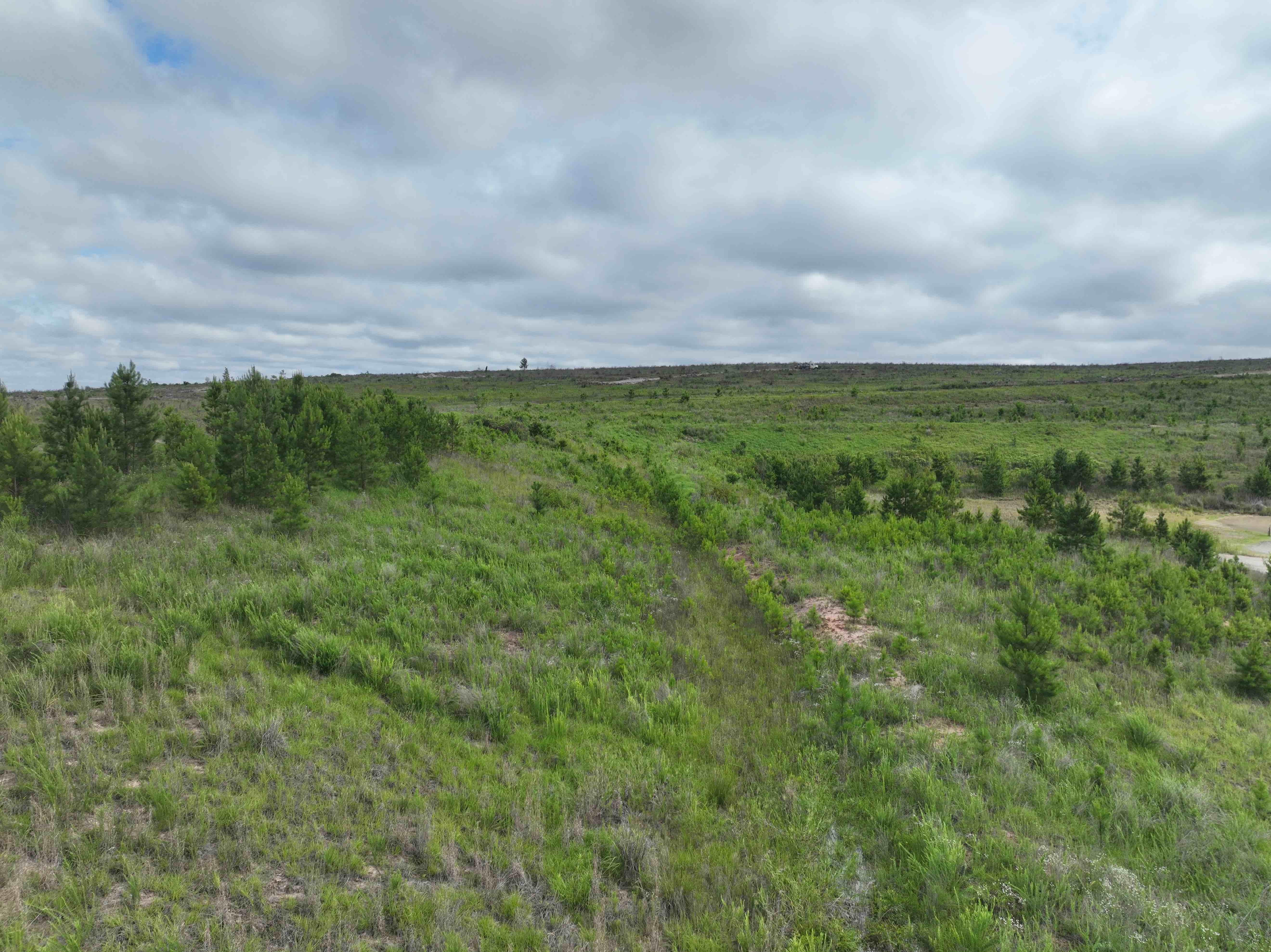
Once earthwork was complete, permanent vegetation was established to stabilize the soil, improve water quality, and support long-term environmental health.
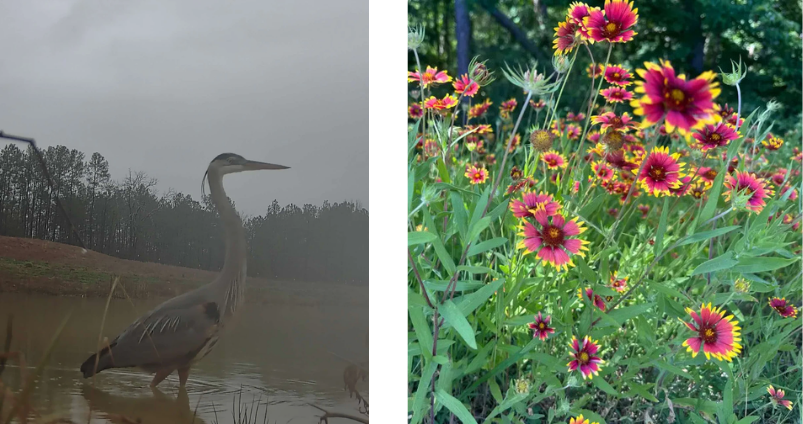
Today, the restored landscape provides habitat for migratory birds, geese, wild turkeys, rabbits, small game, predatory birds, and even the occasional otter. What was once an active mining site now demonstrates how thoughtful reclamation can restore ecosystems, protect natural resources, and create lasting environmental benefits.
A Commitment to Responsible Mining
Reclamation is an essential part of responsible mining. It reflects a long-term commitment to protecting natural resources, restoring ecosystems, and ensuring the land can continue to provide value long after mining operations are complete. Every successful reclamation project is the result of thoughtful planning and collaboration among teammates across operations, engineering, environmental, maintenance, and many other areas.
While this recognition is an important milestone, the true measure of success is the lasting impact of the work itself. By planning for the future from the very beginning, KaMin continues to restore land, protect natural resources, and create lasting benefits for the communities and environments where we operate.